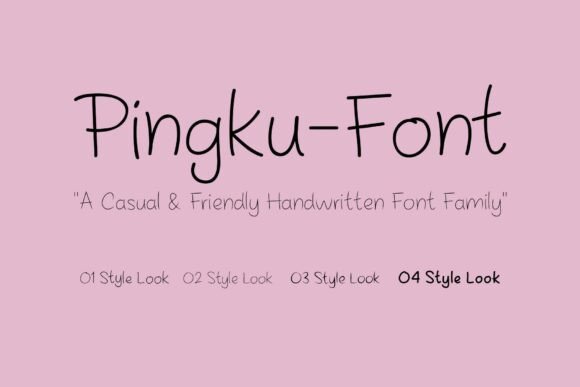
Pingku Script: The Friendly Handwritten Font for Modern Design
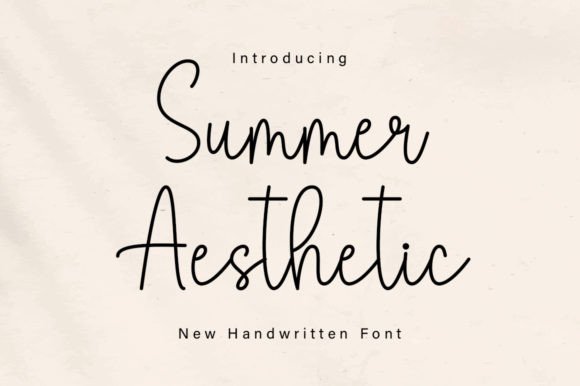
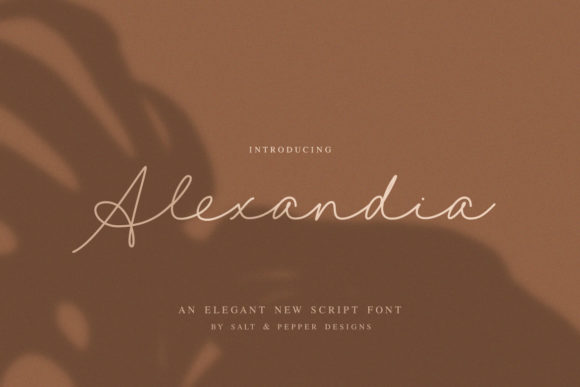
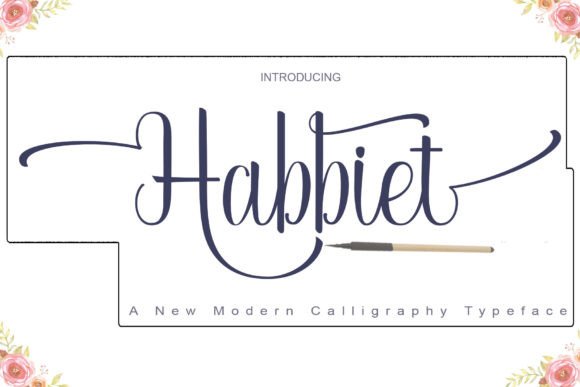
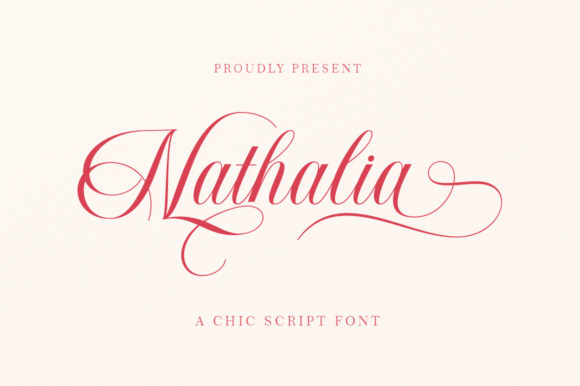
In a digital world saturated with sterile, geometric typefaces, there's a growing hunger for designs that feel human, approachable, and authentic. This is where Pingku Script steps in, offering a delightful handwritten solution that instantly bridges the gap between professionalism and personality. Its slim lines and playful curves capture the effortless beauty of natural penmanship, making it a powerful tool for designers seeking to inject warmth and relatability into their work.
Unlike rigid, traditional typography, Pingku flows with a gentle, organic rhythm. This characteristic makes it particularly effective for projects that demand a youthful, crafty, or intimate touch. It’s a font that doesn't just display text; it communicates emotion, fostering an immediate sense of connection with the viewer. For graphic designers and brand strategists, selecting a typeface like Pingku is a strategic choice to soften a brand's visual identity and enhance its storytelling capabilities.
Practical Applications Across Creative Projects
The versatility of Pingku Script allows it to shine across a multitude of design contexts. Its friendly demeanor makes it an asset for any project where establishing a personal rapport with the audience is key. Consider integrating it into your design workflow for these common applications:
- Branding and Logo Design: Ideal for boutique businesses, artisanal products, cafes, or personal brands that want to convey a handcrafted, approachable ethos.
- Social Media Graphics: Its casual style is perfect for Instagram stories, quote graphics, and promotional posts that need to stand out with a personal touch in crowded feeds.
- Website and UI Design: Use it sparingly for headers, pull quotes, or call-to-action elements to add visual interest and break the monotony of standard web fonts, improving the overall user experience (UX).
- Packaging and Print Design: Enhances the shelf appeal of products like cosmetics, gourmet foods, or stationery by suggesting authenticity and care.
- Marketing Materials: From brochures to email newsletters, Pingku can highlight special offers or testimonials in a way that feels conversational rather than salesy.
Integrating Pingku for Effective Visual Communication
While a font like Pingku offers tremendous creative freedom, successful implementation requires a thoughtful approach to visual hierarchy and readability. To leverage its strengths without compromising clarity, follow these professional guidelines:
- Prioritize Readability: Handwritten scripts are best used for headlines, subheadings, or short bursts of text. Avoid using Pingku for long paragraphs of body copy, where its intricate letterforms could strain the reader's eyes.
- Establish Hierarchy: Pair Pingku with a clean, simple sans-serif or serif font for body text. This contrast creates a balanced composition, allowing the script to command attention where it matters most while maintaining overall legibility.
- Consider Scalability: Test the font at various sizes. Ensure the details remain crisp and legible whether it's used on a large billboard or a small business card.
- Maintain Brand Consistency: When using Pingku as part of a brand identity system, ensure its playful character aligns with the brand's core values and messaging. It should complement, not clash with, your established color palette and imagery.
Ultimately, the power of a tool like Pingku Script lies in its ability to make visual communication feel more human. In an era where consumers crave authenticity, choosing creative assets that convey warmth and personality is not just an aesthetic decision—it's a strategic one. By thoughtfully integrating such fonts into your design toolkit, you can elevate your projects from merely looking good to truly resonating with your audience, strengthening brand loyalty and enhancing every user interaction.