Minihome: A Modern Handwritten Script for Authentic Design
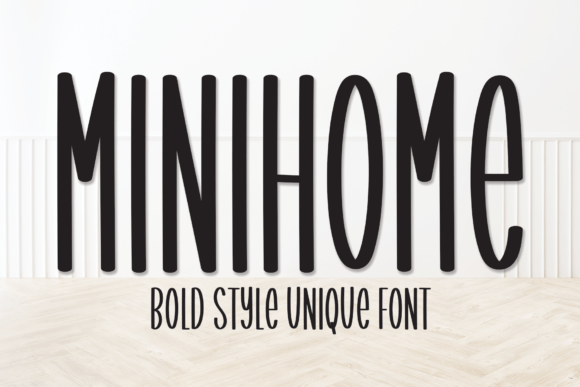
In a digital world saturated with sterile, uniform fonts, finding a typeface that carries genuine warmth and personality can transform a project from ordinary to unforgettable. This is where the Minihome font excels, offering a modern handwritten script that feels both natural and stylishly refined. It’s not just another script; it’s a versatile creative asset designed to inject a customized, human touch into any visual communication.
The Role of Authentic Typography in Modern Design
Typography is the voice of your design. While sans-serifs convey modernity and serifs suggest tradition, a handwritten script like Minihome speaks directly to emotion and authenticity. In graphic design, choosing the right font is a critical decision that impacts brand identity, user experience, and overall visual hierarchy. A font that mimics natural handwriting creates an immediate sense of approachability and personal connection, which is invaluable for brands aiming to build trust and loyalty.
Practical Applications Across Creative Projects
The true strength of a typeface lies in its versatility. Minihome’s balanced aesthetic allows it to shine across numerous applications without feeling out of place. Its graceful curves and legible style make it a powerful tool for:
- Brand Identity & Logo Design: Create a memorable logo or brand mark that feels personal and crafted, perfect for boutiques, studios, cafes, or artisanal products.
- Marketing & Print Materials: Elevate wedding invitations, thank you cards, and greeting cards with elegant, heartfelt messaging. It also adds a refined touch to business cards and promotional flyers.
- Digital & Social Media Content: Stand out in crowded feeds with social media graphics, quote images, and digital ads that feel bespoke. Its clarity ensures readability on screens.
- Editorial & Packaging Design: Use it for headlines in magazines, book covers, or on product packaging to convey a story of craftsmanship and care.
- Web & UI Design Elements: When used sparingly for headers, pull quotes, or special feature text, it can guide the user’s eye and add visual interest to a clean interface.
Selecting and Using Design Assets Effectively
Integrating a new font into your design workflow requires thoughtful consideration. To ensure a font like Minihome enhances rather than disrupts your project, evaluate it against these key factors:
- Readability & Scalability: Test the font at various sizes. A great script remains legible in both a large headline and a smaller caption, ensuring it works across print and digital mediums.
- Consistency & Compatibility: Does the font’s style align with your existing brand system, color palette, and imagery? It should complement your overall visual language, not clash with it.
- Audience & Purpose: Consider your target audience. A handwritten script is ideal for brands targeting a demographic that values authenticity, creativity, and a personal touch. Ensure it matches the project’s tone—be it romantic, playful, or elegantly minimalist.
When used intentionally, typography becomes a cornerstone of effective visual design. It works in concert with composition, color, and imagery to create a polished, professional presentation that communicates your message clearly and memorably.
Ultimately, the creative assets you choose define the quality and impact of your work. Investing in thoughtful, high-quality resources like a well-crafted script font is an investment in your brand’s story and your audience’s experience. By prioritizing design choices that marry aesthetic appeal with functional clarity, you ensure every project not only looks exceptional but also communicates with power and precision.