Untold Chapter: Capturing Storybook Charm in Design
Every designer knows the power of a font that doesn't just display letters, but tells a story. In a digital landscape saturated with clean, geometric sans-serifs, there's a growing yearning for typography that feels human, authentic, and steeped in narrative. This is where a script font like Untold Chapter transcends mere decoration to become a core component of visual storytelling, offering a direct line to emotion and heritage.
Understanding the Allure of Nostalgic Typography
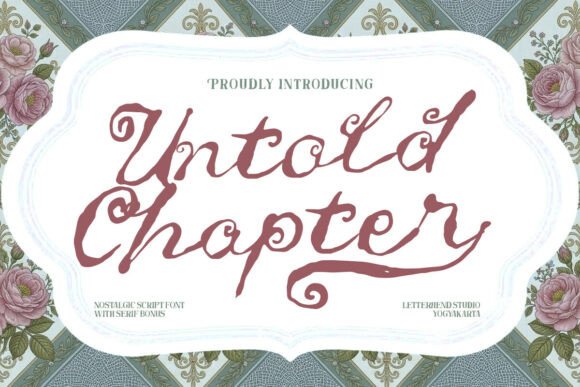
Untold Chapter, with its flowing, nostalgic script, embodies a specific aesthetic: rustic, romantic, and full of storybook charm. It mimics the graceful curves and playful swashes of a handwritten letter tucked inside an old diary. This isn't just about looking "vintage"; it's about leveraging a visual language that communicates warmth, personal touch, and timelessness. In graphic design, such typefaces are strategic tools for creating immediate emotional connections with an audience.
Strategic Applications in Modern Branding and Marketing
The true value of a font like Untold Chapter lies in its versatile application across creative projects. It excels where a brand or design needs to convey authenticity, craft, and a personal touch.
- Brand Identity & Logo Design: It is perfect for boutique brands, artisanal products, wedding services, or literary-themed businesses. The font can anchor a logo system, paired with a subtle serif bonus for a balanced, professional presentation that feels both elegant and personal.
- Packaging and Editorial Design: For packaging design on gourmet foods, cosmetics, or handcrafted goods, it adds a layer of perceived quality and care. In editorial layouts for magazines, books, or lookbooks, it creates beautiful pull quotes, chapter headings, and cover art that enhance the reader's experience.
- Digital Marketing and Social Media: In social media graphics and digital marketing, it cuts through the noise of generic content. Use it for Instagram story quotes, Facebook ad headlines, or Pinterest pin titles to evoke curiosity and a heartfelt message that boosts user engagement.
Integrating Script Fonts into Your Design Workflow
Successfully incorporating a decorative script font requires a thoughtful approach to visual hierarchy and readability. Overuse can quickly become cluttered. The key is strategic placement and pairing.
- Purposeful Pairing: Always pair a script font like Untold Chapter with a clean, neutral typeface. A simple sans-serif or a classic serif for body text ensures your message remains clear. The script becomes the accent, not the workhorse.
- Scale and Contrast: Use it at larger sizes for headlines, logos, or key phrases where its intricate details can shine. Ensure sufficient contrast with the background color and surrounding elements to maintain legibility, especially in UI design and web contexts.
- Context is King: Evaluate if the nostalgic, personal tone aligns with your project's goals and audience. It’s a powerful choice for branding that aims for warmth, but may not suit a corporate tech startup seeking a modern, minimalist aesthetic.
Ultimately, selecting the right creative assets is a fundamental part of the design workflow. A thoughtfully chosen typeface does more than fill space; it sets a mood, guides the viewer's eye, and communicates values on an intuitive level. By understanding the personality and proper application of fonts like Untold Chapter, designers and creators can elevate their work from merely functional to truly resonant, crafting visual experiences that feel both polished and profoundly human.